
Category: Scottish Folklore & Myths
-
The Cailleach: Hag of Winter and Stone
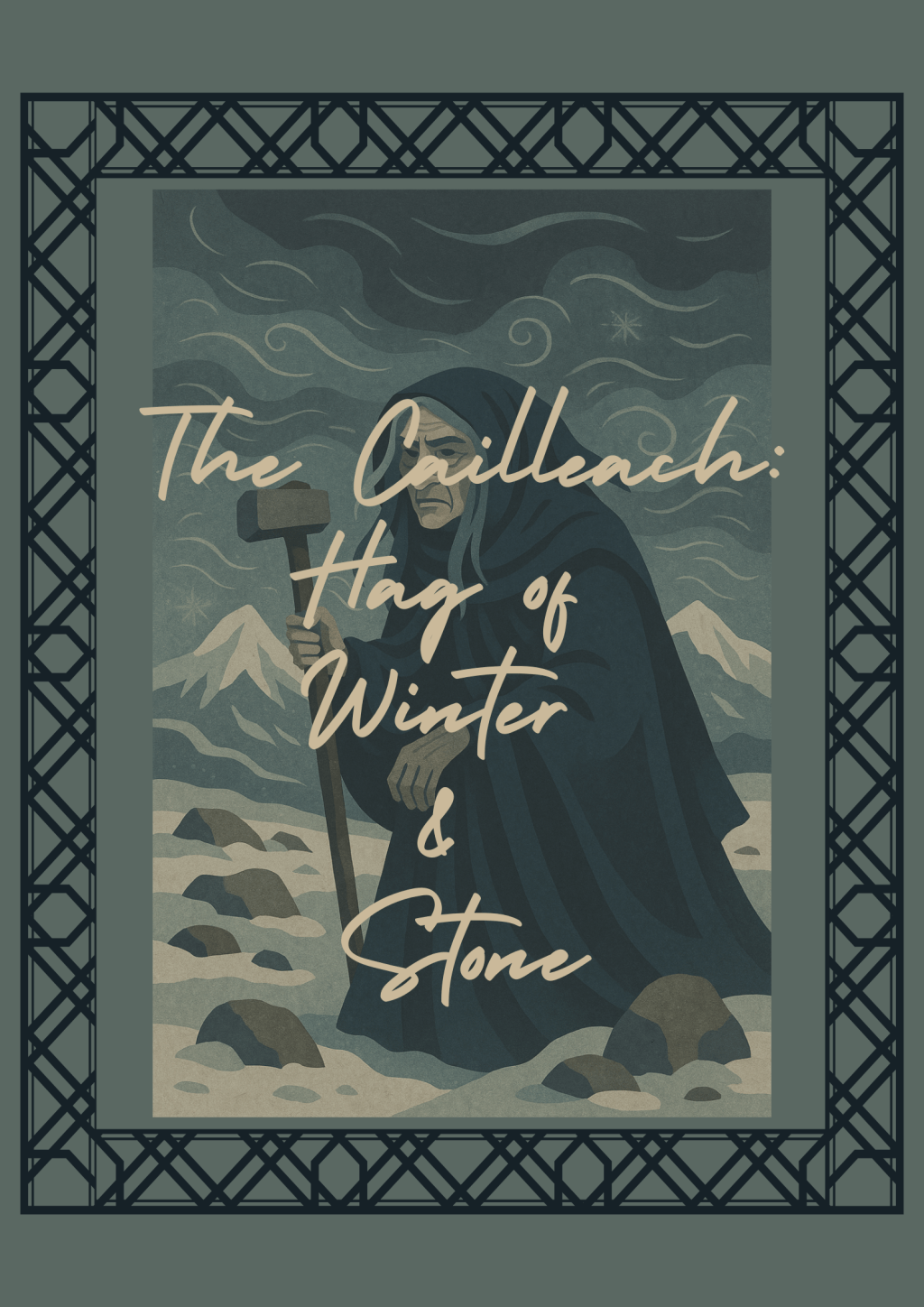
The Cailleach is a significant figure in Celtic mythology, symbolizing winter and natural forces like storms and mountains. She shapes landscapes, rules over winter, and embodies resilience and acceptance. Her lessons remind us of the importance of rest and reflection before renewal, encouraging a connection with nature and its wisdom.
-
Brigid: Goddess of Fire and Inspiration
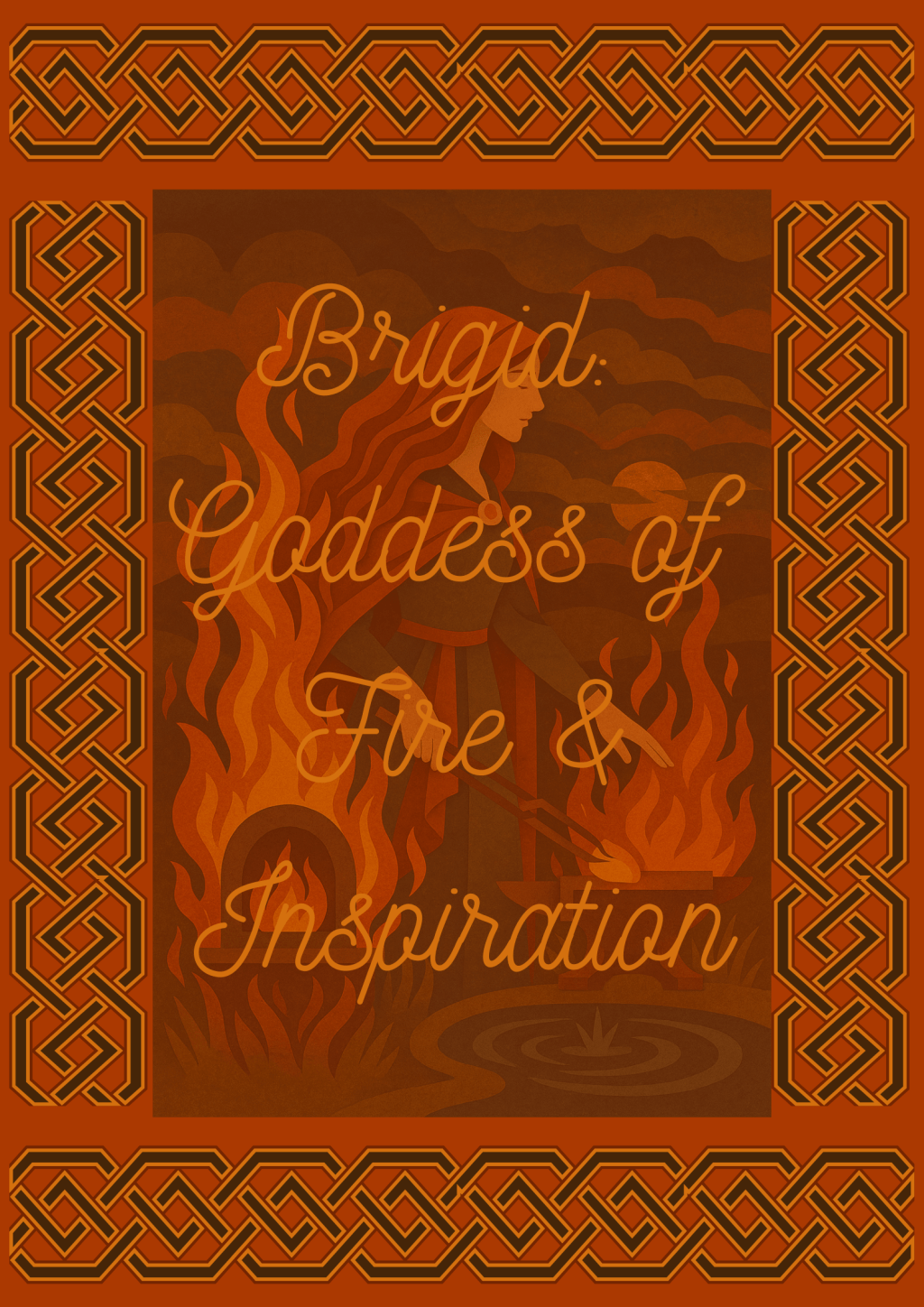
Brigid is a significant figure in Celtic mythology, embodying creativity, healing, and inspiration as a triple goddess. Associated with fire, she represents transformation and life. Her celebration at Imbolc highlights hope and renewal. Merging into Christian tradition, her essence continues to inspire creativity and invite reflection in modern life.
-
Dressing Like a Goddess: Everyday Style Inspired by Celtic Mythology

Celtic mythology features powerful goddesses like Brigid, Rhiannon, The Cailleach, and Ériu, each representing unique qualities and styles. Incorporating their traits into personal fashion involves choosing specific colors, fabrics, and meaningful accessories that reflect their energies. Dressing with intention enhances confidence, enabling individuals to channel their inner goddess daily.
-
Shells, Selkies, and Sea Glass: Folklore of the Shore
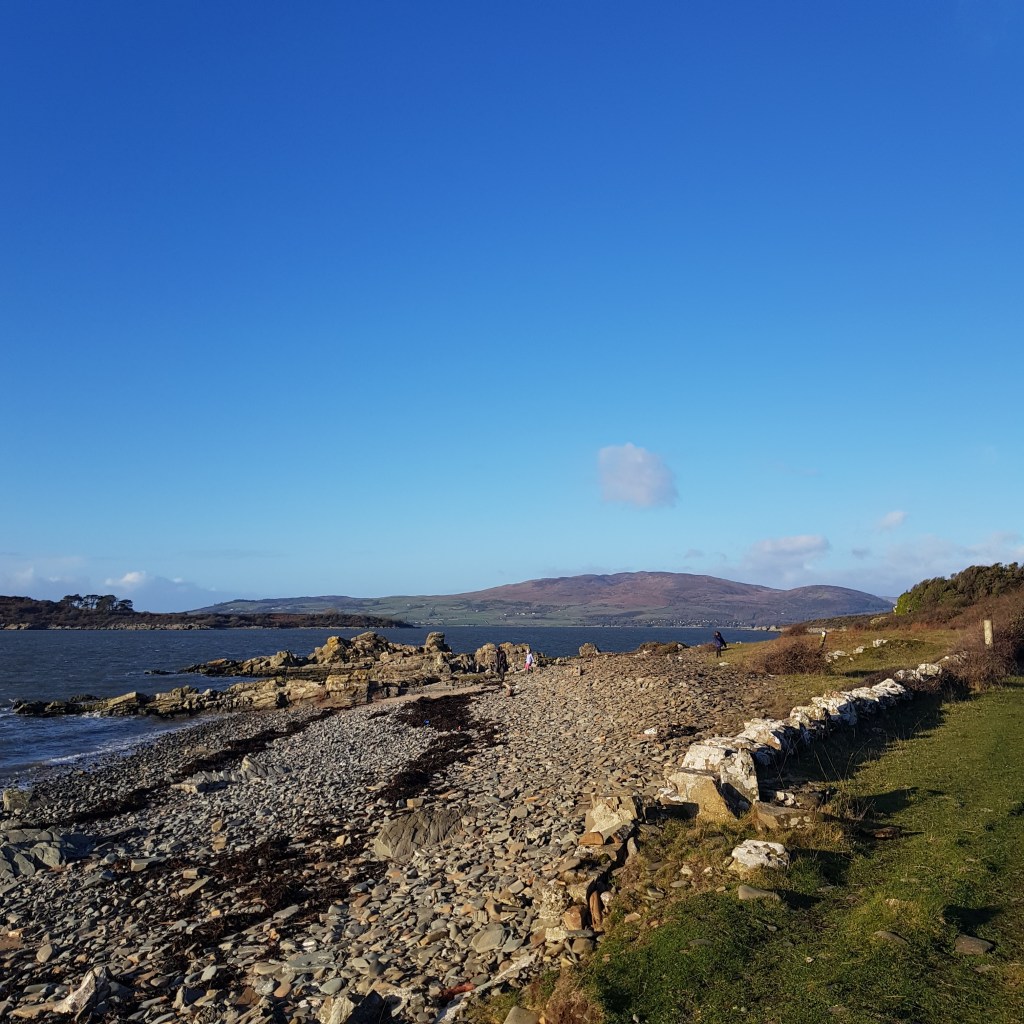
The rugged Scottish coastline inspires tales of magic and myth, notably the legend of selkies, beings caught between sea and land. Folklore intertwines with natural treasures like sea glass, believed to be mermaid tears, and driftwood. The Beachcomber Collection celebrates these stories through charms embodying coastal beauty and memories.
-
May Dew: The Morning Dew of Beltane and Its Mystical Powers
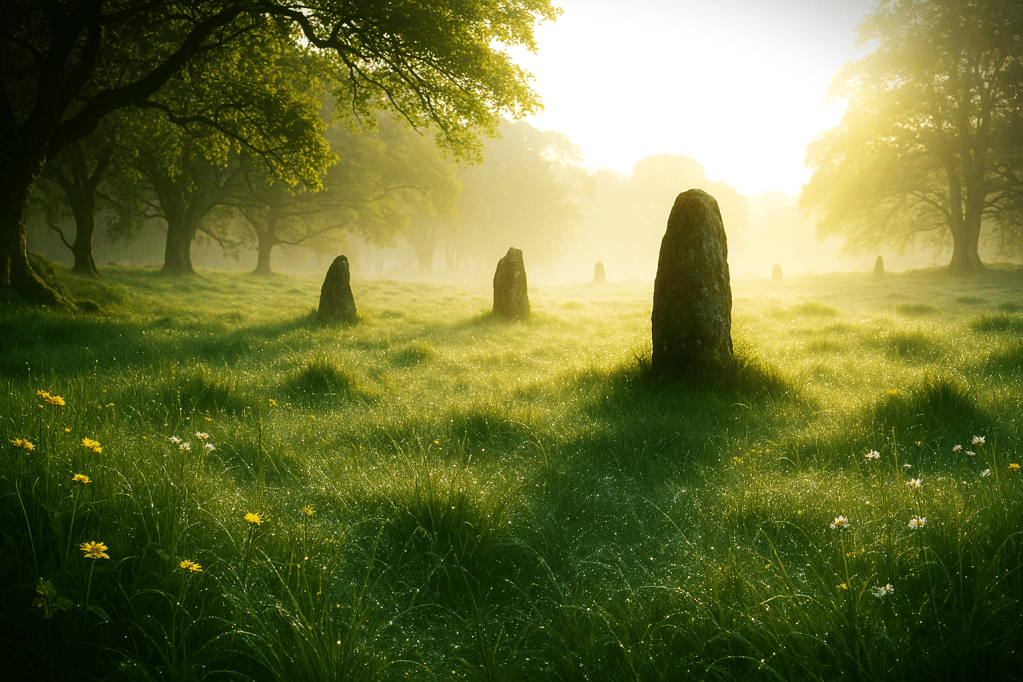
May dew, celebrated during Beltane, is a sacred symbol in Celtic and Scottish folklore, believed to possess healing, beautifying, and protective properties. Collected at dawn, it is linked to fertility, renewal, and spiritual connection to nature spirits. This ritual encourages reflection on the everyday magic surrounding us in springtime.
-
The Nine Maidens: Legends of Healing and Transformation
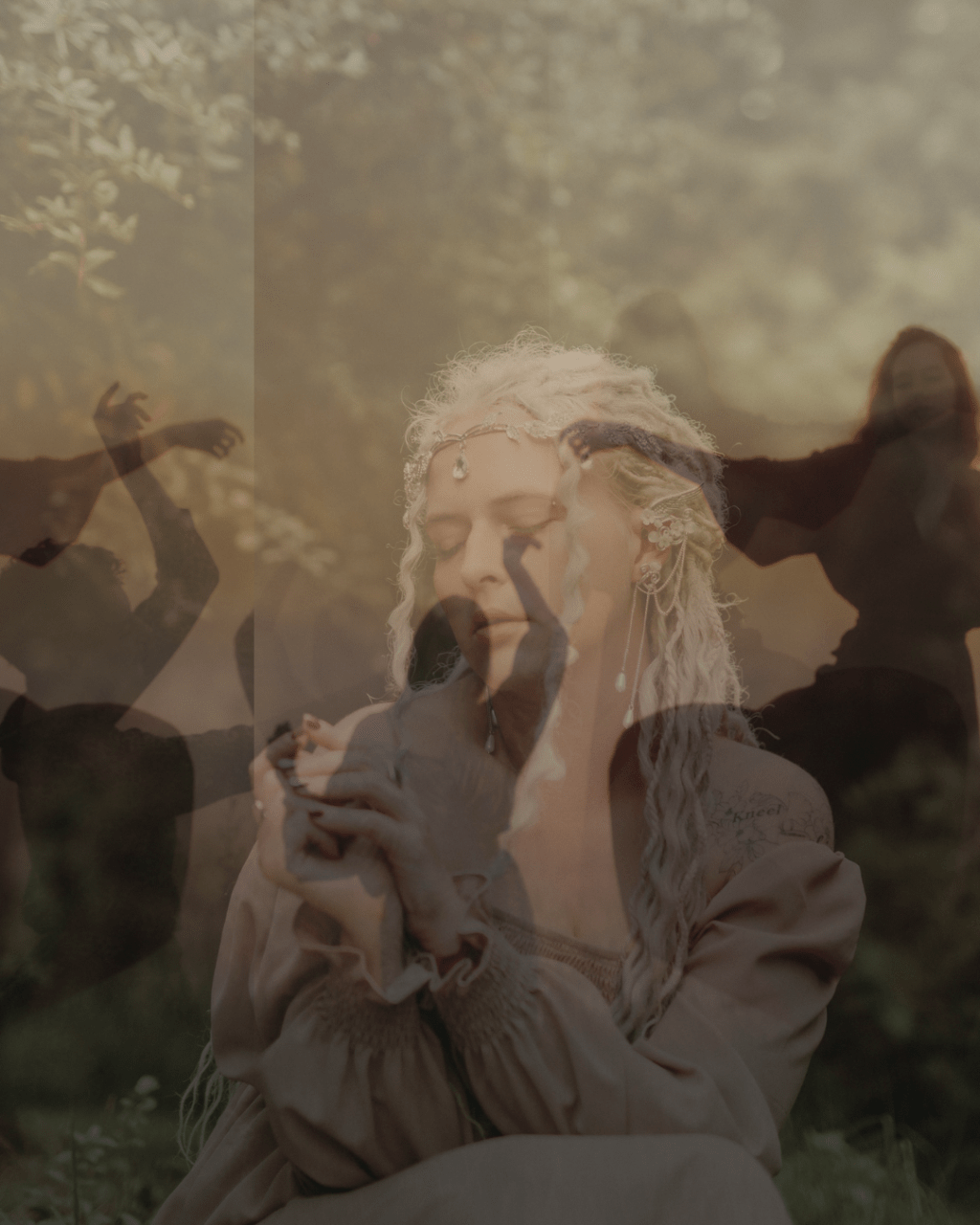
Scotland’s mythology features nine divine sisters known as the Nine Maidens, associated with healing wells, sacred fires, and transformation. They are linked to Brigid and serve as protectors of healing waters. Sacred wells inspired pilgrimages for physical and spiritual renewal, embodying resilience and endurance in their myths and traditions.
-
The Fairy Roads of Scotland: Paths Between Worlds
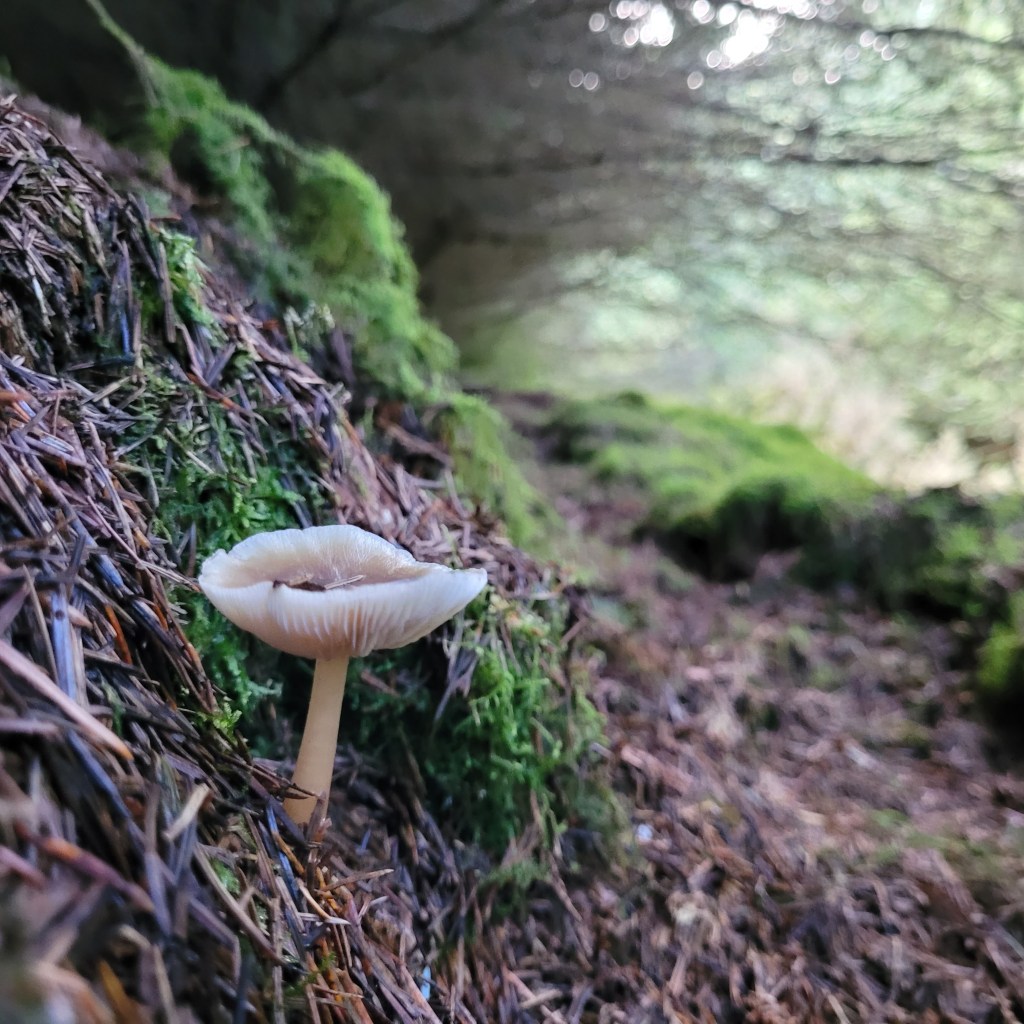
In Scotland, fairy roads are mystical pathways connecting the human world with the realm of the fae, existing where the veil between worlds is thinnest. These paths often bring strange occurrences to nearby homes, highlighting the fragile boundary between the seen and unseen. The Spellweaver Collection reflects this magical intuition.
-
The Cailleach: Scotland’s Ancient Winter Goddess of Power and Change
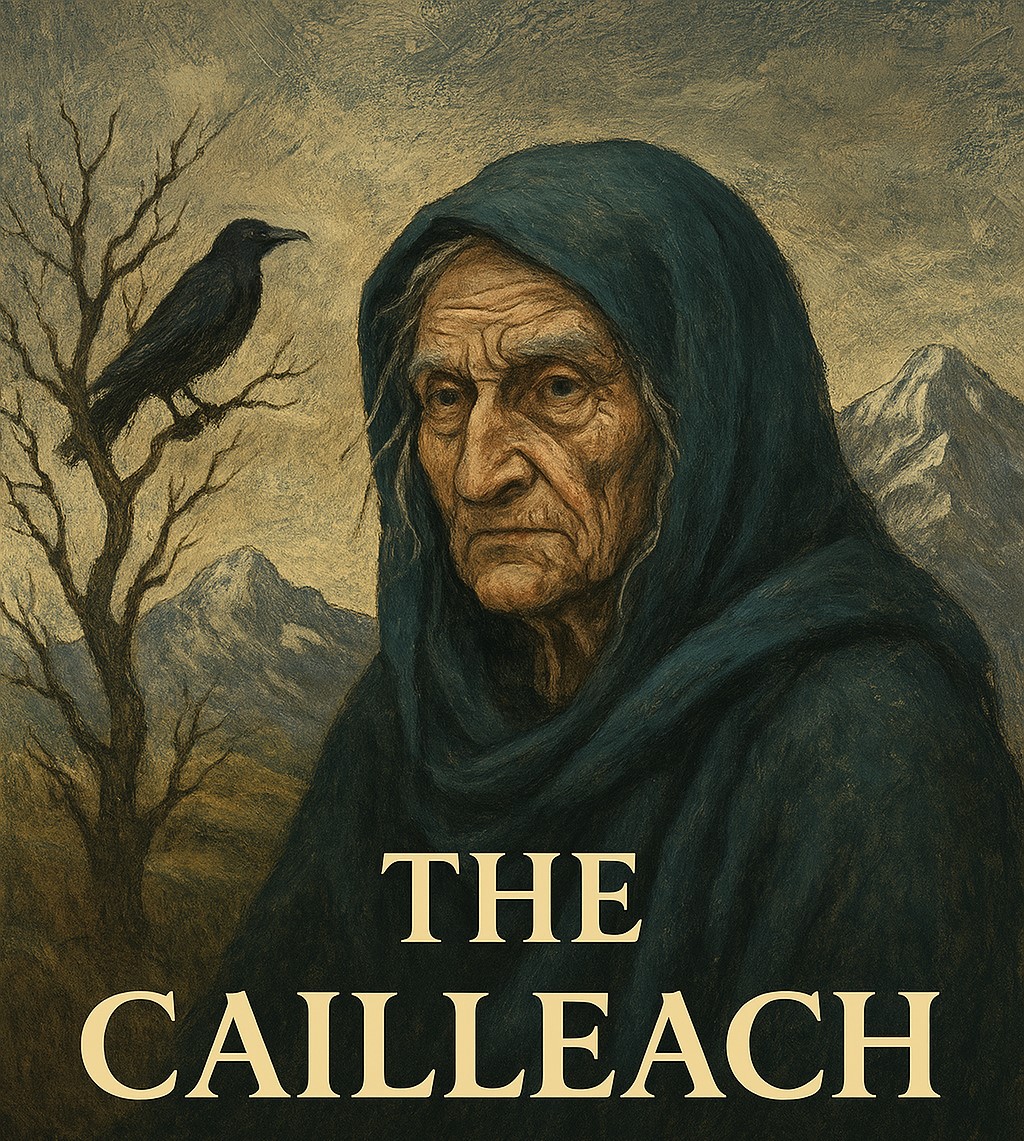
The Cailleach is Scotland’s ancient winter goddess, embodying both creation and destruction. Depicted as a blue-skinned crone, she shapes the landscape while representing the harshness and nurturing aspects of winter. As spring approaches, her power fades, reflecting the cycle of transformation, chaos, and renewal seen throughout nature.
-
The Green Man: Guardian of the Wild
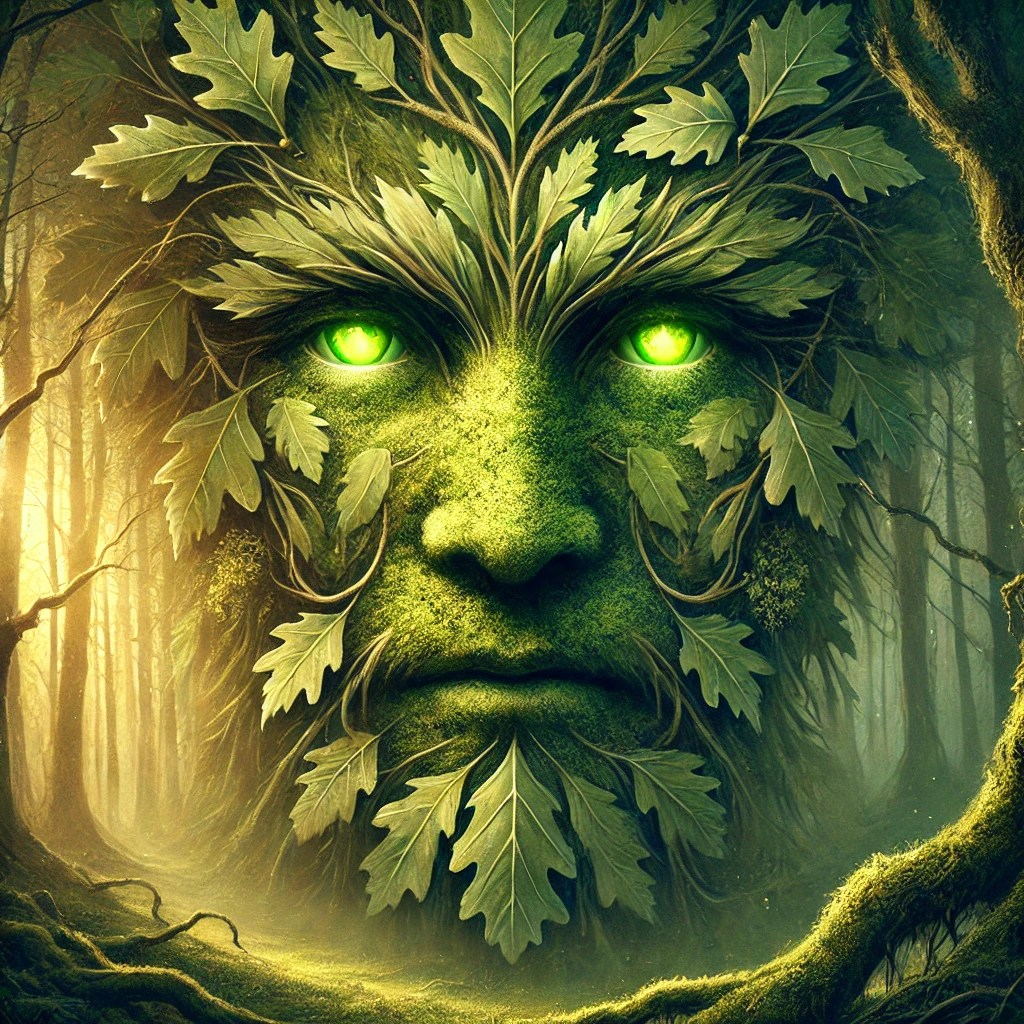
The Green Man, a figure woven from vines and leaves, symbolizes nature’s cycles and humanity’s connection to the wild. Found in various cultures, he embodies rebirth and the seasons. Revered in modern Paganism as a guardian of the land, he prompts ecological awareness and respect for nature’s power.
-
The Morrigan: The Phantom Queen of Battle and Transformation
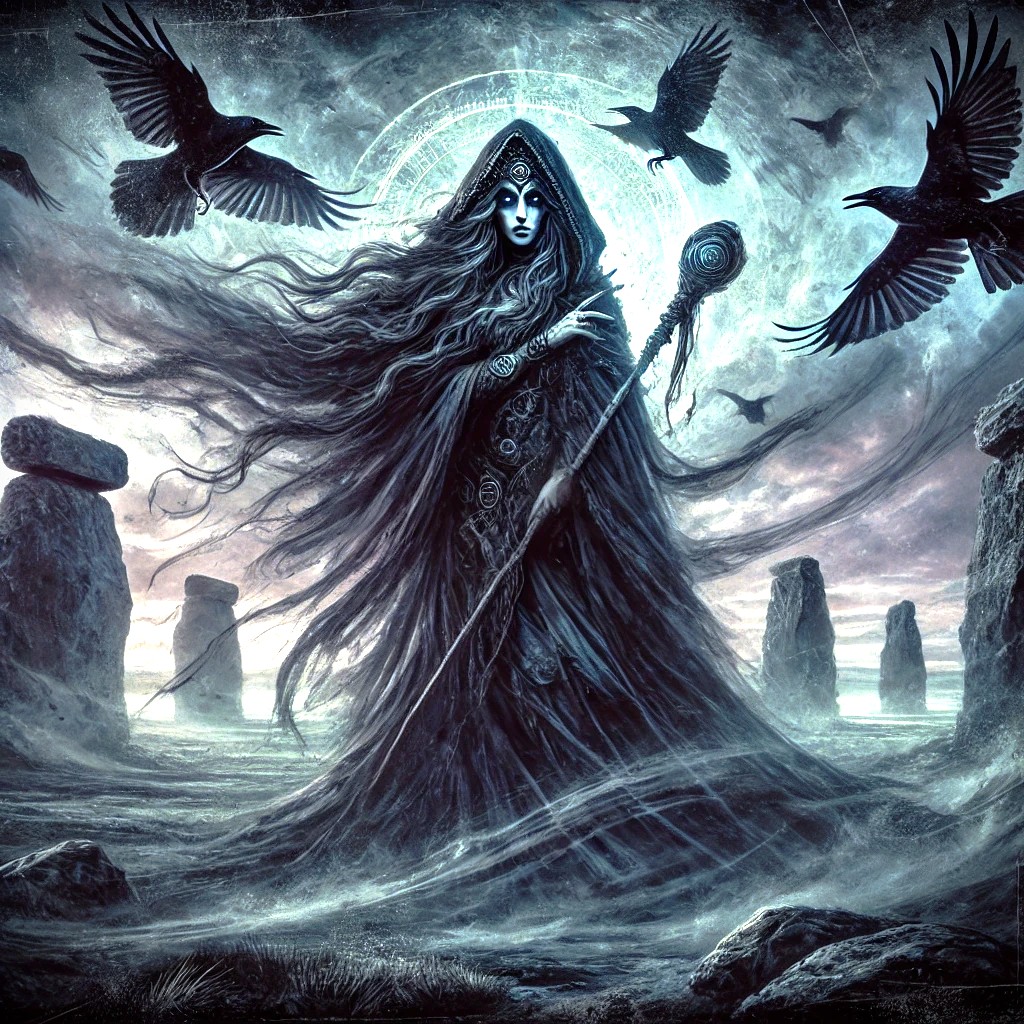
Celtic mythology is filled with figures of power, wisdom, and mystery, but few are as compelling as The Morrigan—the shape-shifting goddess of war, fate, and sovereignty. Often depicted as a crow or raven on the battlefield, she is both a harbinger of doom and a force of renewal, embodying the cyclical nature of destruction and…
 Handcrafted Jewellery Inspired by Scottish Folklore and Nature | Rock & Ore