Category: Scottish Folklore & Myths
-
Beltaine: Welcoming the Return of the Light
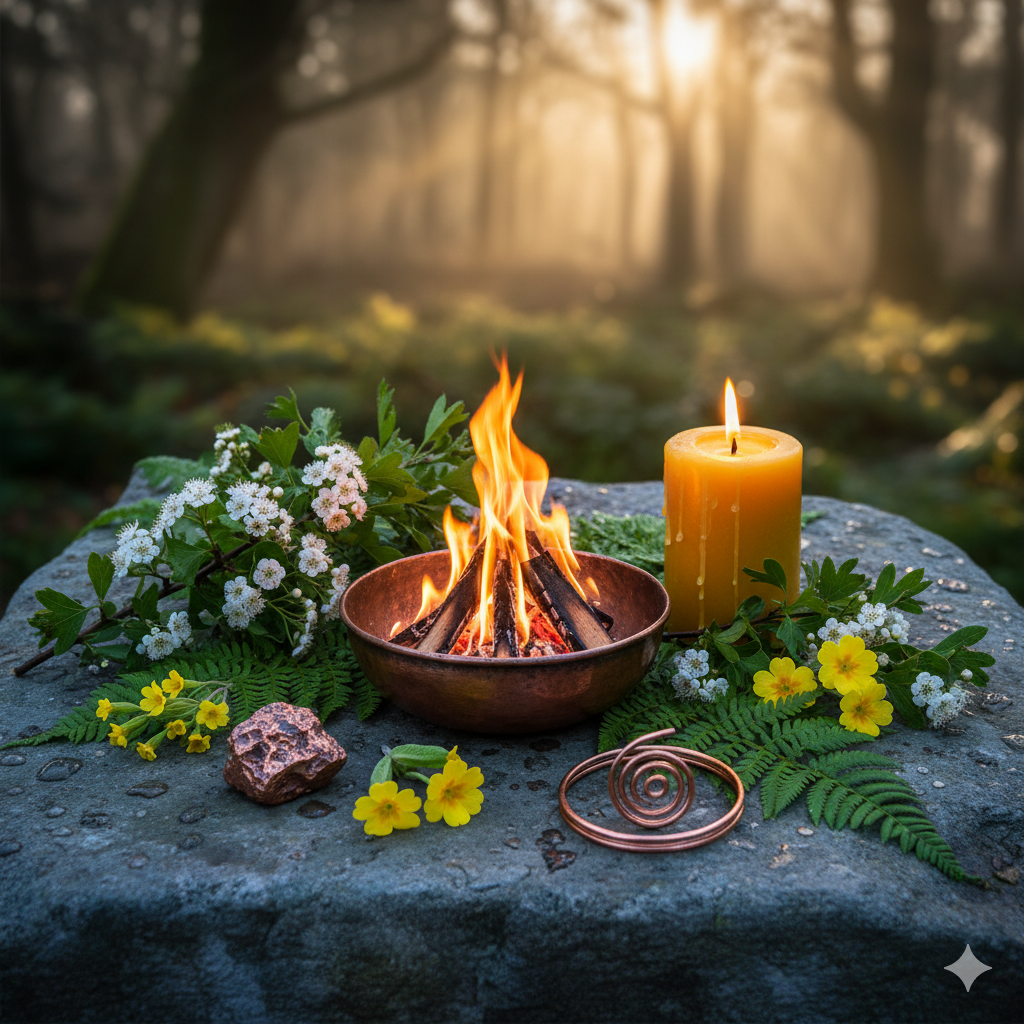
Beltaine, an ancient Gaelic festival, marks the peak of spring and the onset of summer on May 1st. It symbolizes renewal, creativity, and the sun’s return, featuring rituals like community bonfires and Maypole dances. As we celebrate, Beltaine invites personal growth and connection with nature, reflecting the vibrant energy of the season.
-
Celebrating Imbolc in a Time of Injustice and Hatred
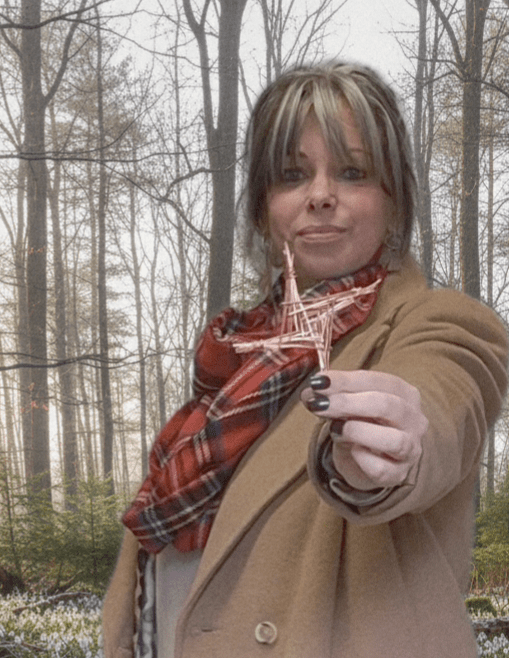
Imbolc is a subtle celebration of renewal, situated between winter and spring, emphasizing care and hope amidst darkness and injustice. It encourages quiet actions over grand gestures, recognizing that small gestures of kindness sustain life. Imbolc is a reminder that tending to hope is a persistent, necessary practice, not just an emotion.
-
What Is Yule? A Simple Guide to the Winter Solstice
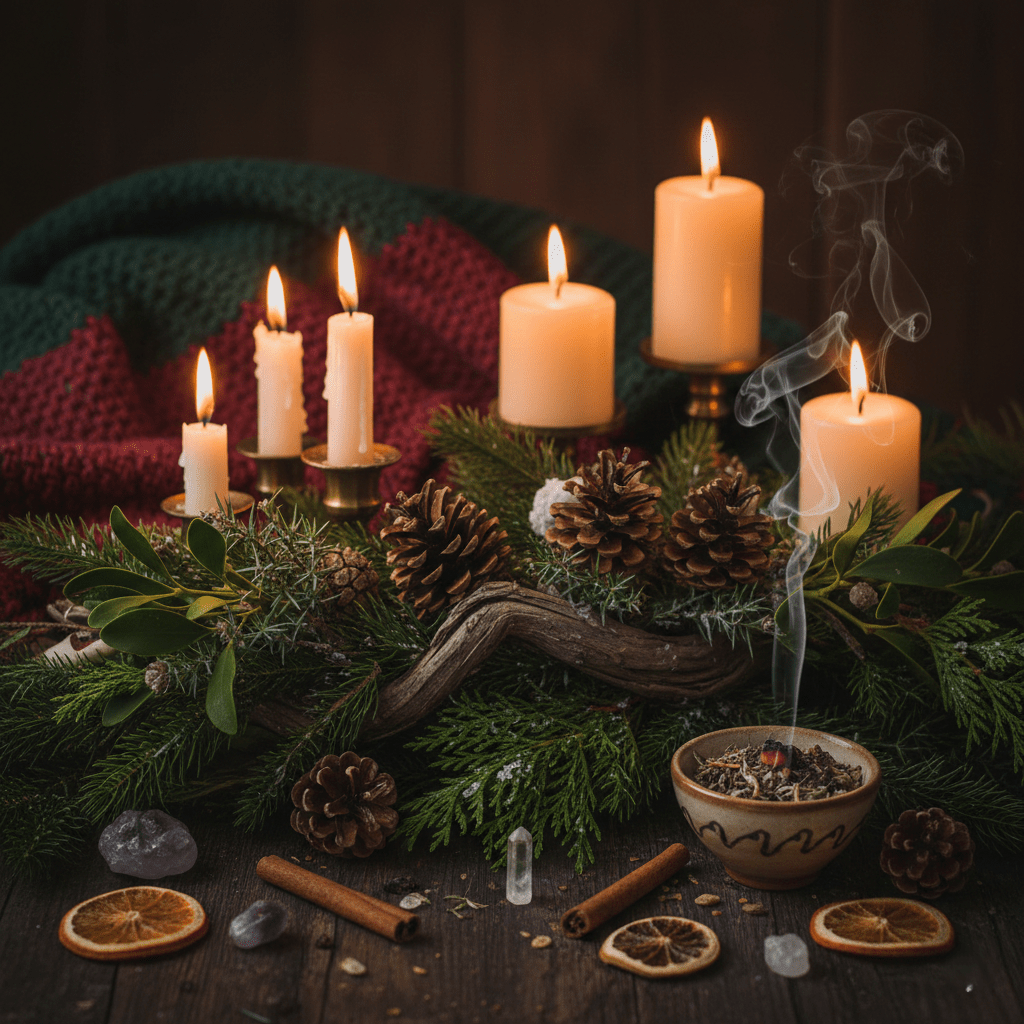
Yule, an ancient winter festival celebrating the winter solstice, embodies themes of renewal and community. This midwinter tradition, observed across various cultures, emphasizes stillness and hope through customs like lighting candles, feasting, and gift-giving. Today, Yule is recognized as a meaningful pause in the busy holiday season, reconnecting people to nature.
-
Nicnevin: Queen of the Witches and Lady of the Unseelie Court
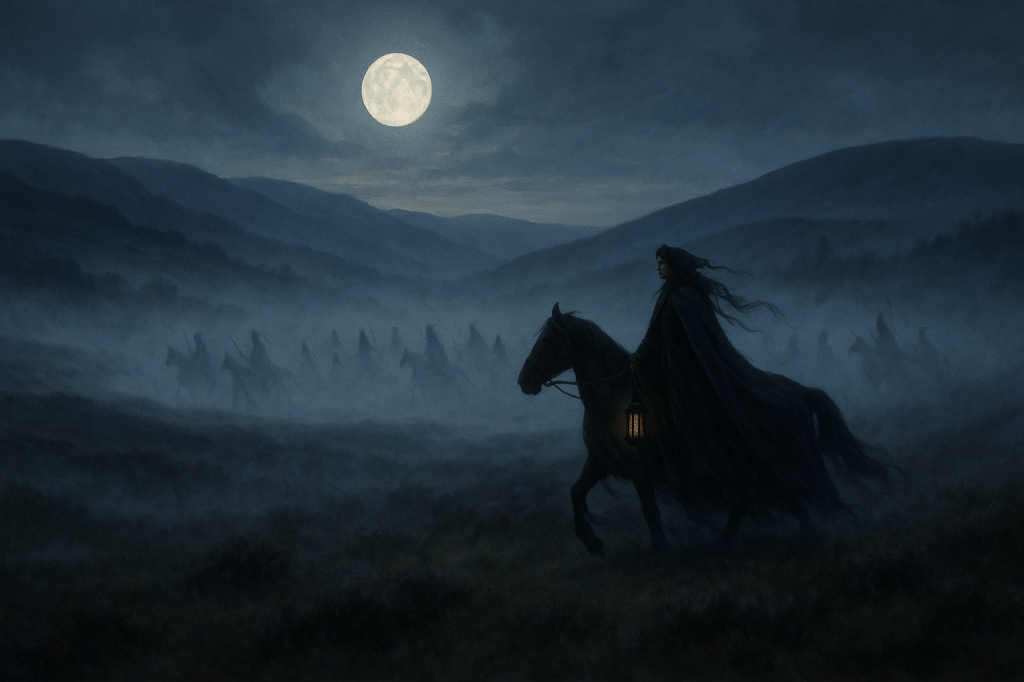
In Scottish folklore, Nicnevin emerges as the Queen of the Witches, intertwining goddess, witch, and fae queen elements. Originating from 16th-century texts, she symbolizes transformation, female sovereignty, and chaos. Associated with the moon and the Wild Hunt, her enduring presence inspires rituals of reverence for the unseen, echoing strength and wisdom.
-
Queen Medb: Bold Sovereign of Connacht
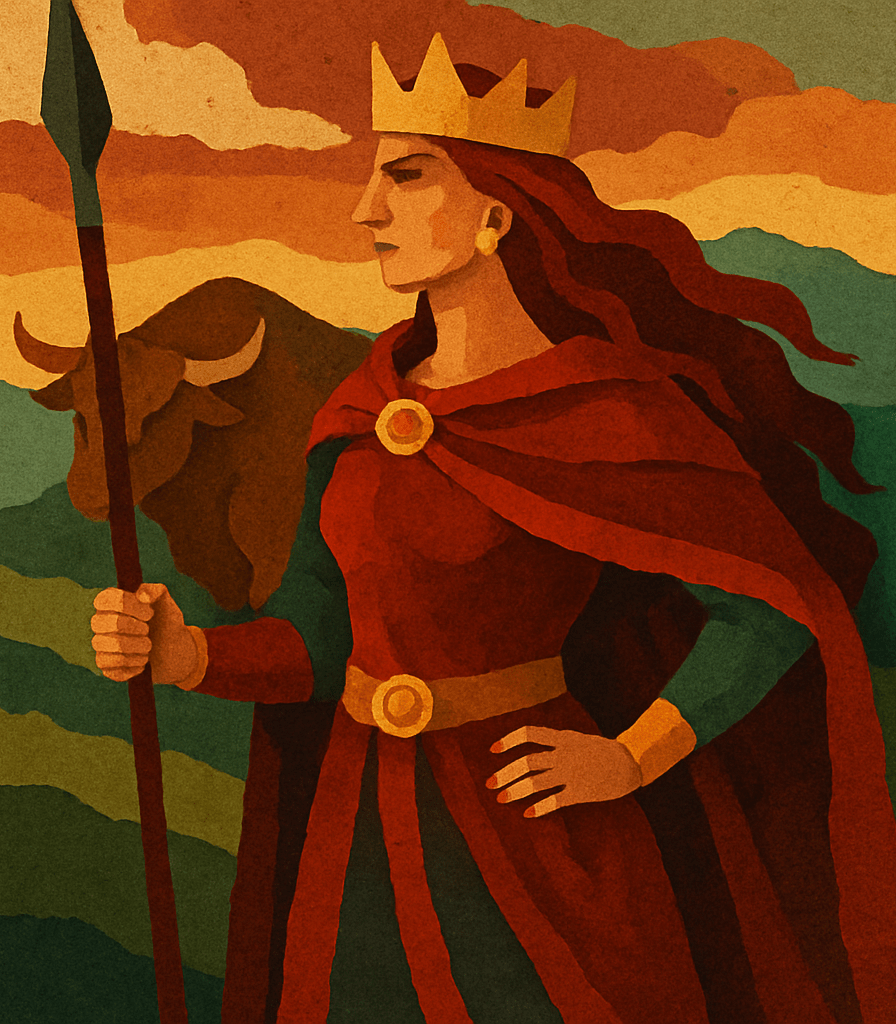
Queen Medb is a legendary figure in Irish mythology, known as a warrior queen of Connacht who embodies ambition and power. Her most famous story, the Táin Bó Cúailnge, depicts her as a fierce ruler seeking wealth. Medb symbolizes sovereignty, strength, and independence, inspiring others to embrace boldness and leadership.
-
The Selkie: Shape-Shifter of the Sea
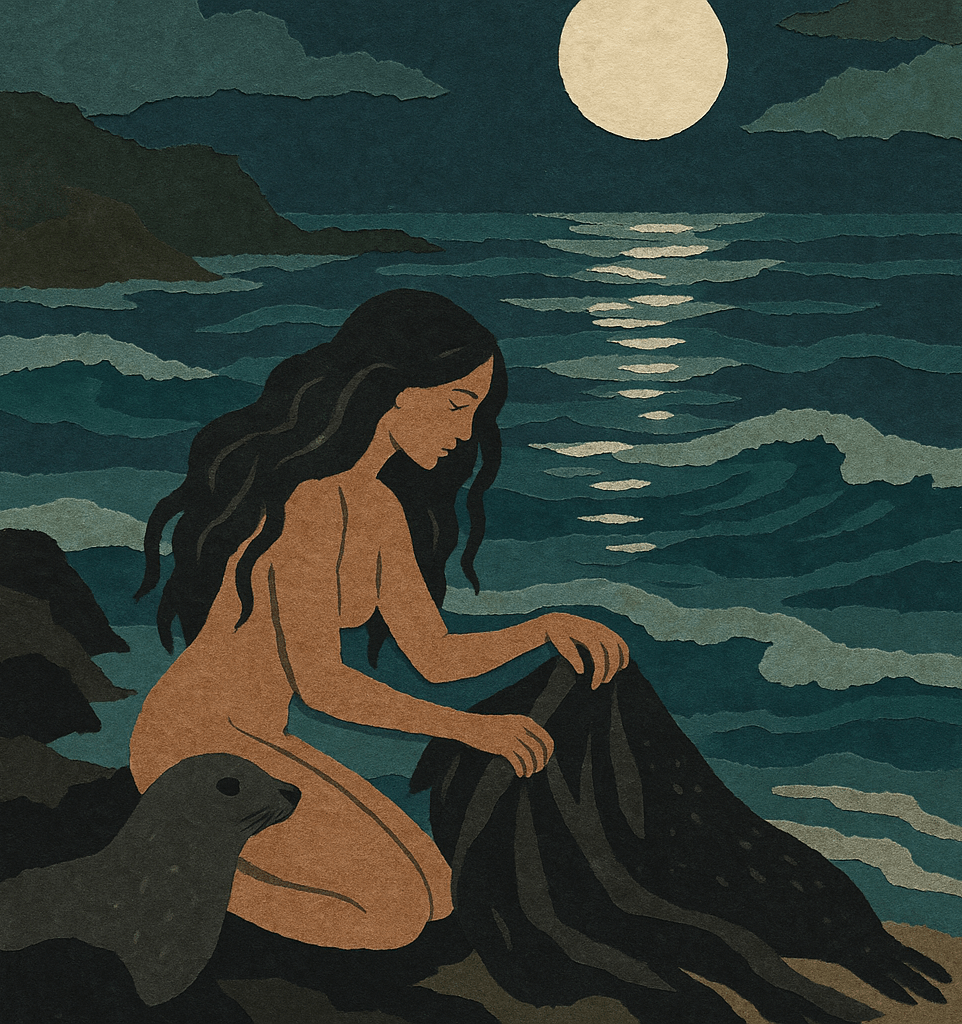
Selkies, cherished in Celtic folklore, are beings that transform from seals to humans by shedding their skins. Their bittersweet stories highlight themes of longing, love, and the struggle between two worlds. Selkies embody the shape-shifter archetype, reminding us of the complexities of identity, freedom, and connection to the sea.
-
Deirdre of the Sorrows: The Tragic Beauty
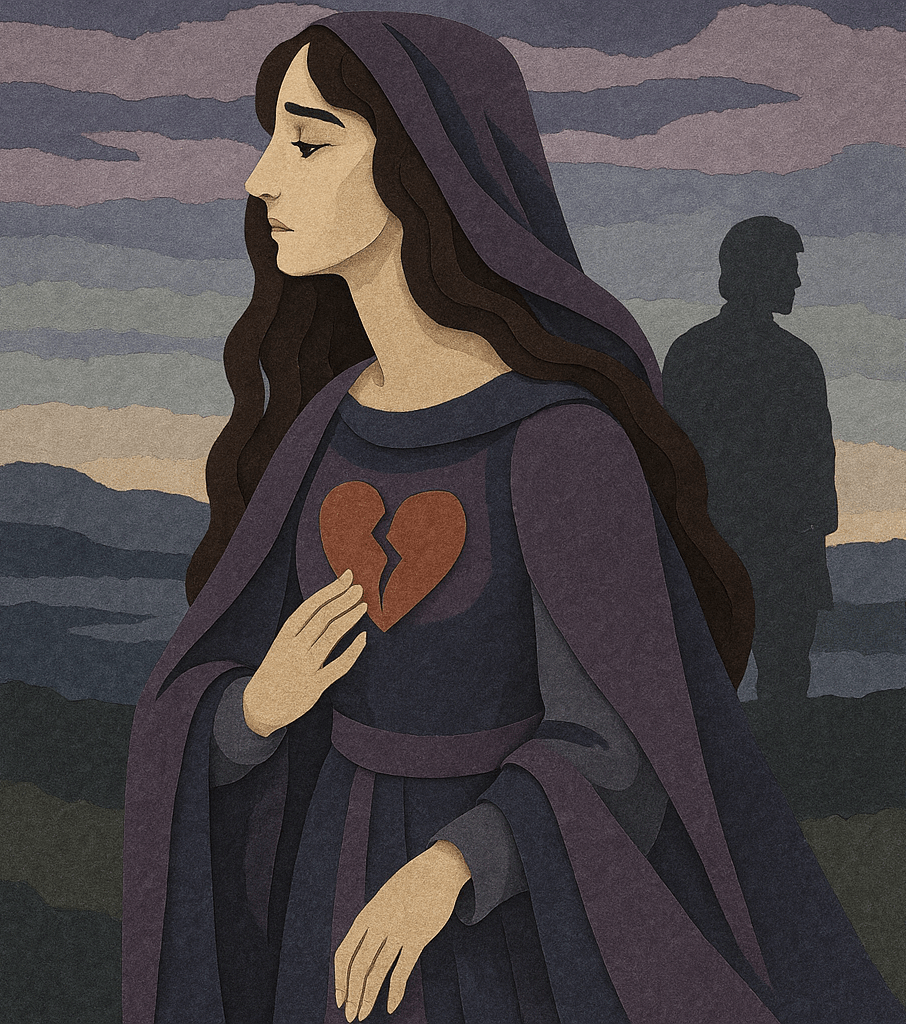
Deirdre represents the archetype of the tragic beauty — a woman of passion and strength, yet one caught by the weight of fate. She reminds us of the intensity of love, the courage of following one’s heart, and the bittersweet nature of destiny.
-
Scáthach: Warrior Woman of Skye
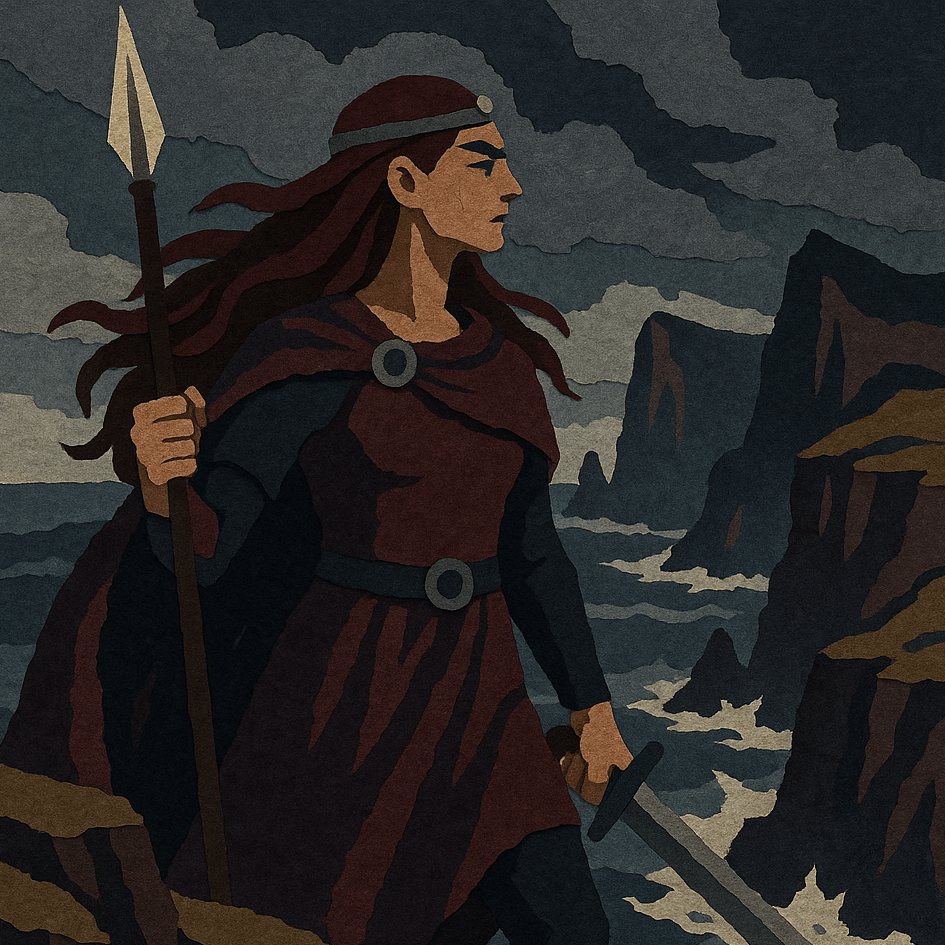
Scáthach, a legendary figure in Celtic mythology, is renowned as a warrior and teacher who trained many heroes, including Cú Chulainn, on the Isle of Skye. Her story embodies strength, discipline, and the importance of passing wisdom to others. She exemplifies the warrior woman archetype, inspiring resilience and empowerment.
-
Ériu: Goddess of the Land and Sovereignty
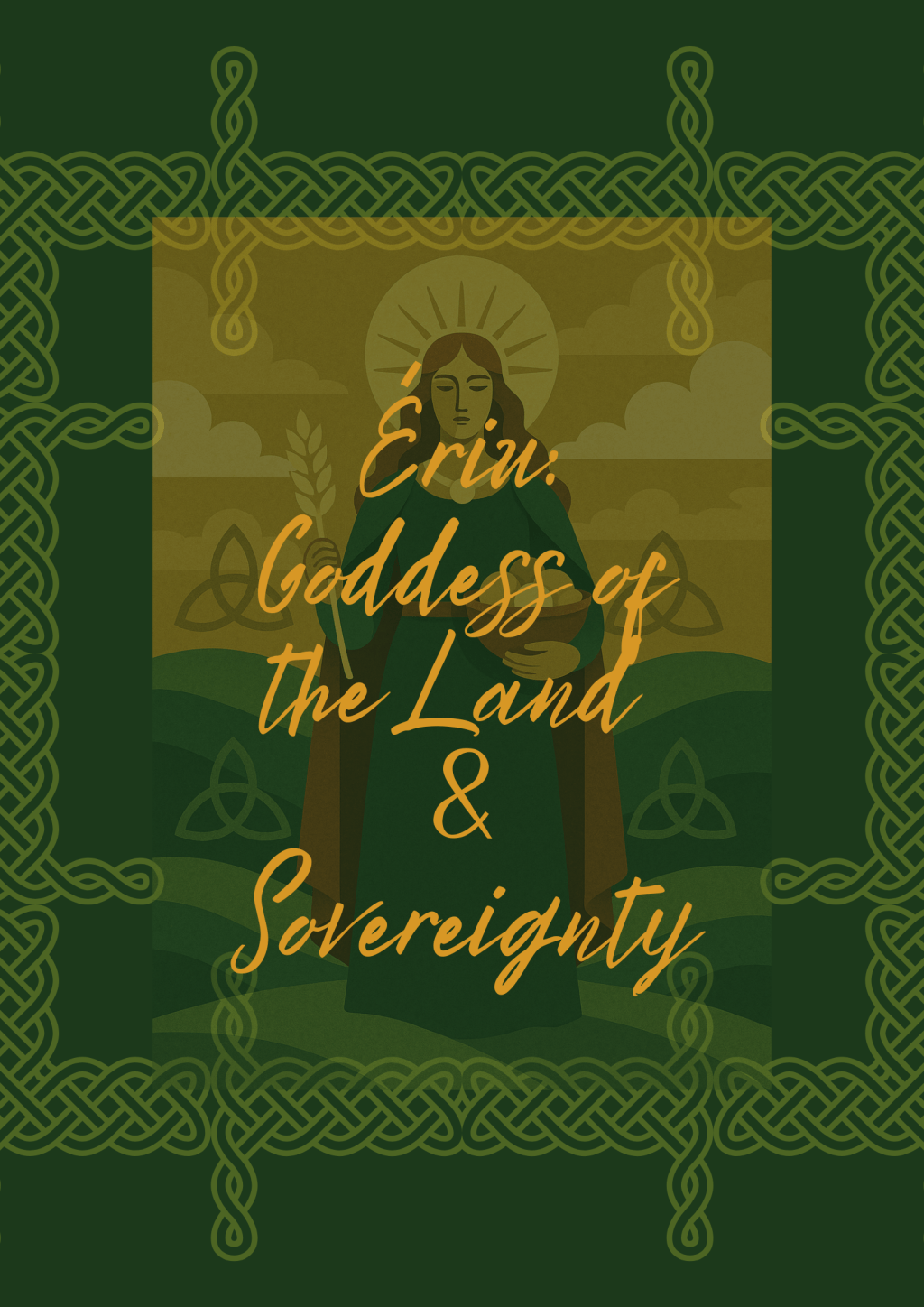
Ériu is a central figure in Irish mythology, symbolizing Ireland’s spirit and sovereignty alongside her sisters Banba and Fódla. Her name is reflected in Éire, the modern term for Ireland. Ériu emphasizes the responsibility of leadership towards the land, urging respect for nature and fostering a connection to the earth’s abundance.
-
Dressing Like a Heroine:
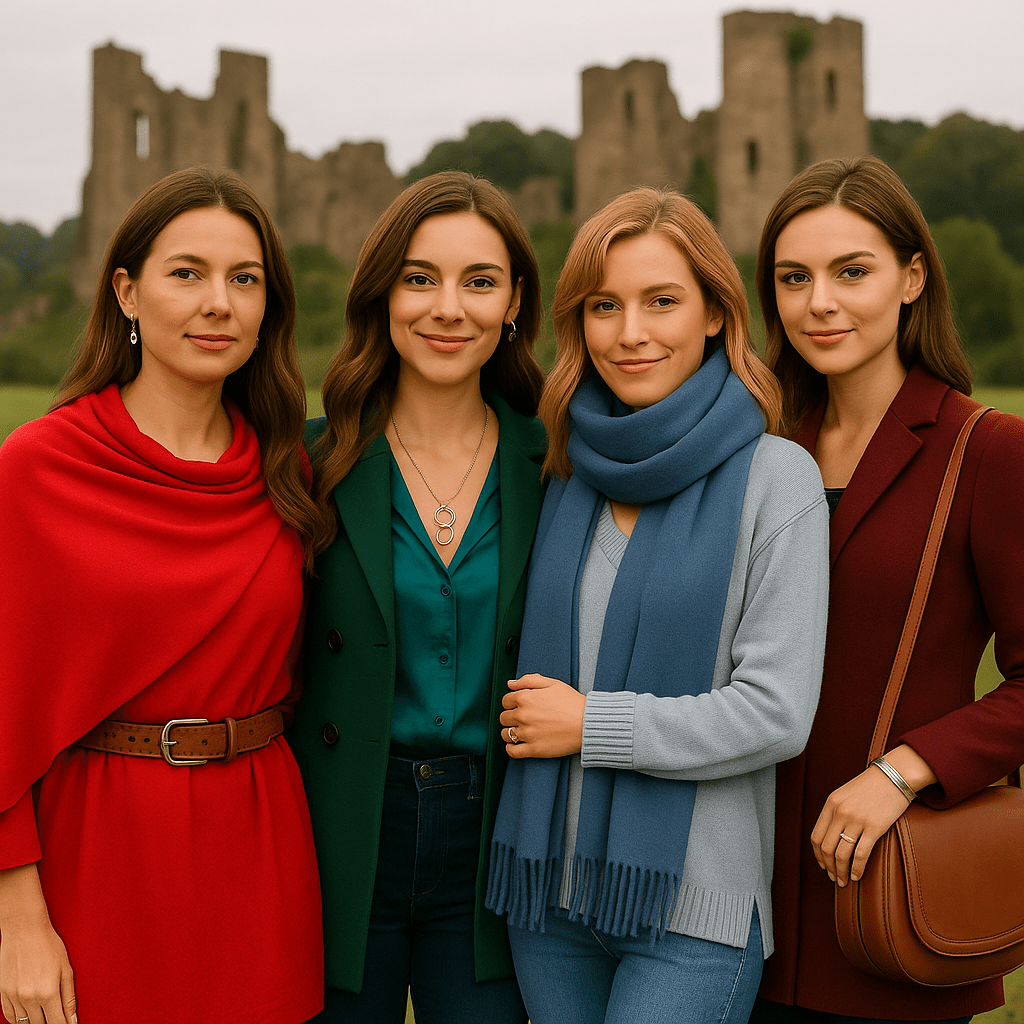
This content explores how to dress like heroines from Celtic legends, emphasizing attributes like strength, romance, transformation, and sovereignty. It highlights figures such as Scáthach, Deirdre, the Selkie, and Queen Medb, offering style tips that reflect their characteristics through clothing choices and accessories to empower personal expression.
 Handcrafted Jewellery Inspired by Scottish Folklore and Nature | Rock & Ore